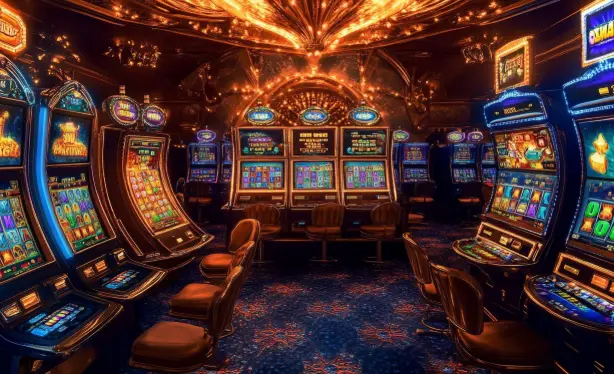
Inside the USA Casino Arcade for Kids Illusion
Strip away the neon signage and the parent-facing marketing gloss, and a USA casino arcade for kids is nothing more than a coupon-redemption terminal wrapped in gambling psychology. The core mechanism is brutally simple: you are not buying entertainment, you are buying variable-ratio reinforcement delivered through a plastic card. I have torn apart these floors from Reno to the Jersey Shore, and the hardware tells the truth every single time.

The Coin Pusher Is a Rigged Physics Engine
Every family resort arcade in America leans on the coin pusher as its anchor attraction, and every one of them is a calibrated physics trap. The pusher plate stroke length, the lip height, and the side-rail gap are tuned so that the sweep clears just short of a full cascade. Operators adjust the pusher timing relay to shave milliseconds off the forward throw. That single component decides whether a child walks away with a fistful of tokens or nothing. 😤 The machine is not random. It is engineered scarcity with a coin slot.

Ticket Redemption Is a Closed-Loop Economy
Here is what the family friendly in USA resorts pitch never admits: the ticket-to-prize ratio is a fully controlled micro-economy. A single prize wall item at a 400-ticket price point costs the operator under two dollars wholesale, while the average ticket yield per play sits near 1.2 units. Do the math and the house edge on a redemption arcade dwarfs most table games. The child learns the payout rhythm before they ever understand the odds. 🎰 That is the design intent, and it is not accidental.
Card Reader Firmware and the Reset Vulnerability
The swipe-card systems running these floors are the weakest link in the entire operation. Most use legacy magnetic-stripe readers with firmware that has not been patched since the resort installed them. A card left in a reader during a power blip can retain a stale credit balance. I have watched kids cycle the same twenty-dollar card for an hour because the terminal never cleared its cache. Proper USA casino arcade for kids operators audit these logs weekly, but the vast majority never touch the backend. The machine remembers, the system forgets, and the floor bleeds credits silently.
Prize Inventory and the Sunk-Cost Hook
The prize counter is not a reward station, it is a retention lever. Operators stock the high-ticket shelf with items that sit just out of reach after a typical session, forcing families to buy one more card reload. That threshold is calculated against the average spend per visit, not against fairness. Watch the parents at the counter doing mental arithmetic while the kid clutches a half-stack of tickets. The arcade has already won. 🤖
Why the Family Pitch Is a Liability Shield
Branding these floors as family entertainment is a regulatory and insurance strategy, not a moral one. By keeping the machines skill-labeled and prize-based rather than cash-payout, resorts sidestep gaming licensing while still harvesting the same behavioral loop. The coin pusher, the spinner, the claw rig, all of it rides on the exact same psychology a casino floor uses, just laundered through a ticket voucher. The hardware is identical. The only difference is the color of the carpet.